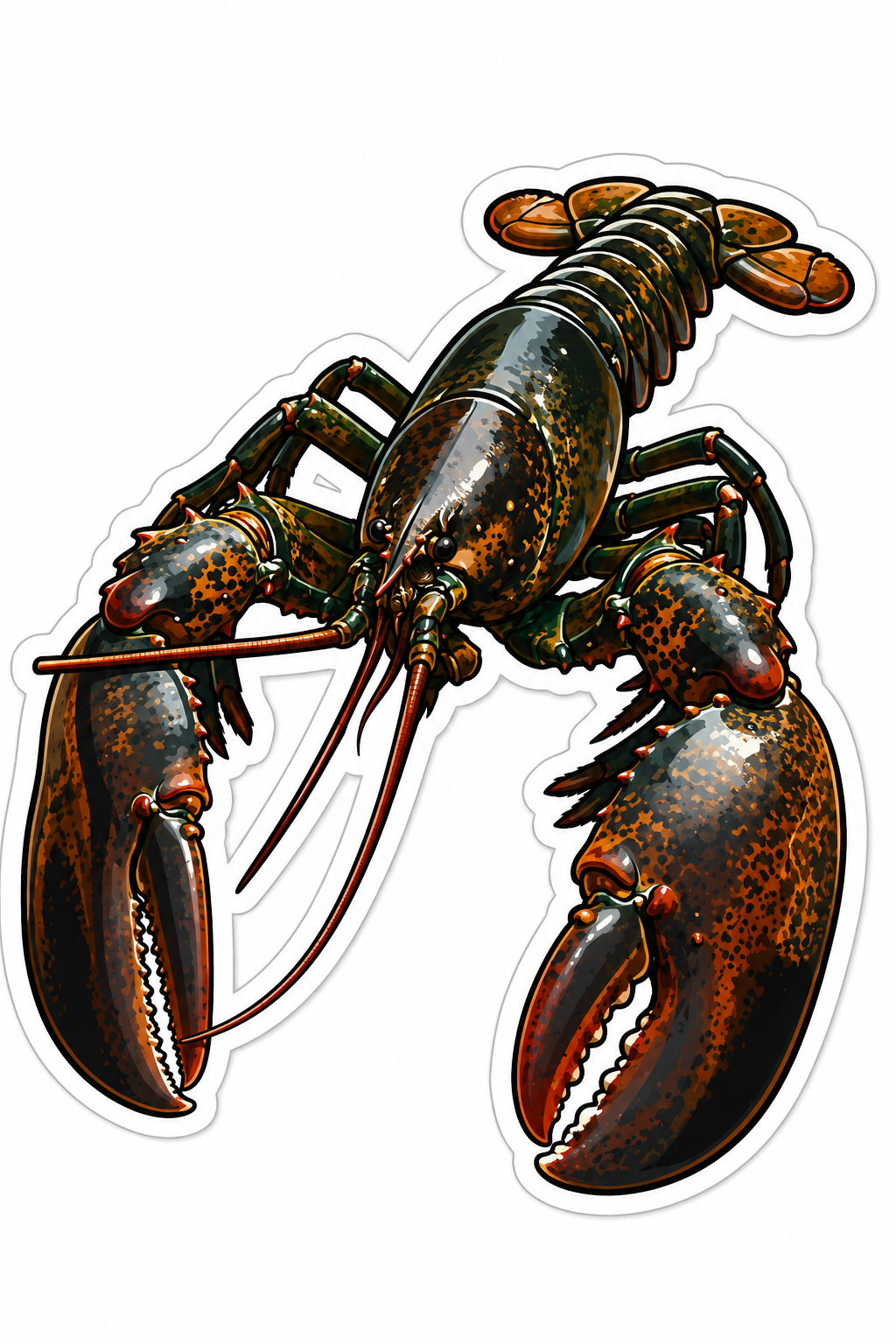

American lobsters (Homarus americanus) actually have a fairly short list of major recognized diseases, especially compared with many cultured shrimp and fish. For your pet lobster, these are the ones I’d have on my radar:
- Gaffkemia (red-tail disease) — Probably the classic serious infectious disease. It’s caused by Aerococcus viridans var. homari, a bacterium that can produce septicemia and death. It’s particularly important in captured/held lobsters, and wounds can provide a route of infection.
- Shell disease — Causes pits, dark lesions and progressive erosion of the exoskeleton. It’s associated with communities of chitin-degrading microorganisms rather than necessarily one simple pathogen. Severe epizootic shell disease can become quite extensive.
- Vibriosis — Various Vibrio bacteria can act as opportunistic pathogens, particularly when a lobster is stressed by poor environmental conditions, injury, or compromised health.
- Bumper Car Disease — Caused by the ciliate Anophryoides haemophila, which can invade the lobster’s hemolymph and tissues. It’s primarily associated with American lobsters maintained in captivity or holding facilities.
- Paramoebiasis / neoparamoebiasis — Amoebic infection has been associated with significant lobster mortality events and is one of the more important protistan diseases recognized in American lobsters.
- Fungal and fungus-like infections — Fusarium, Lagenidium, and Haliphthoros have all been described. Some are particularly problematic in eggs, larvae and juveniles rather than healthy adults.
